Weather stability
Ready for change.
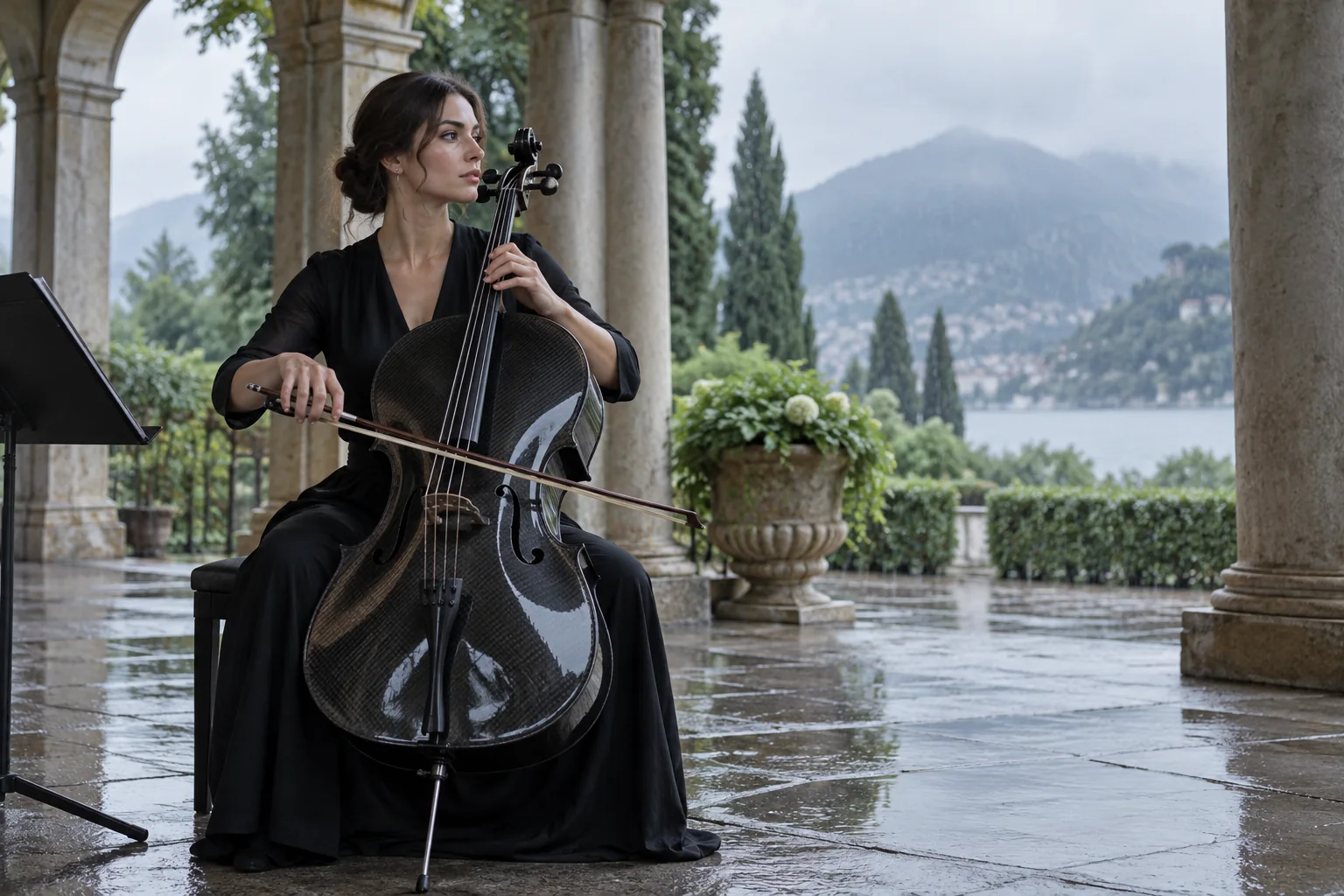
Carbon fiber construction offers strong resistance to shifts in temperature and humidity, supporting demanding environments and outdoor use.
CARBOWAVE instruments combine composite construction with acoustic calibration for players who need reliable response through travel, changing environments and regular performance. The material is selected as part of a complete instrument-making process—not as a substitute for careful voicing.
Carbon fiber construction offers strong resistance to shifts in temperature and humidity, supporting demanding environments and outdoor use.

High strength-to-weight characteristics support practical transport and regular use.
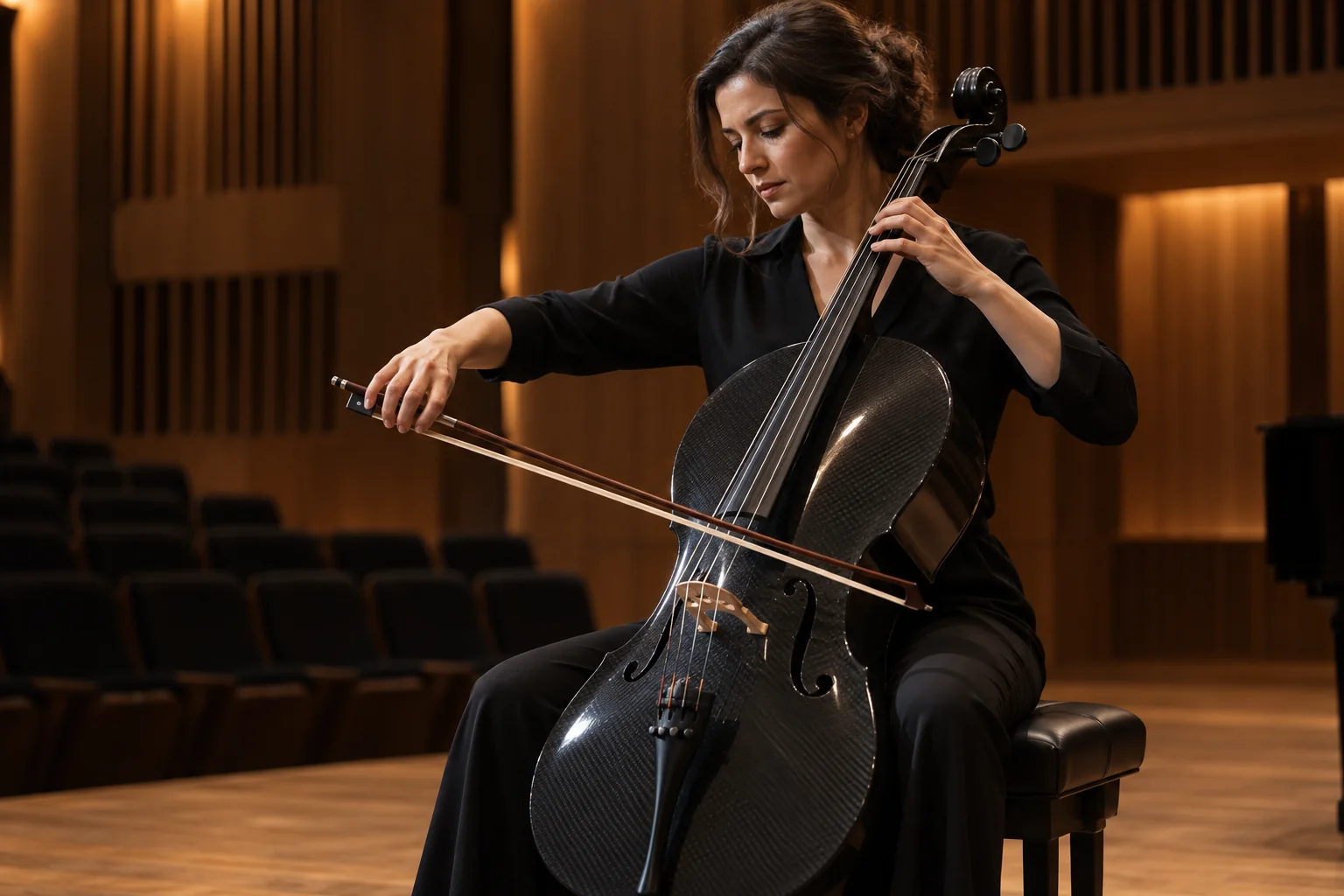
Composite manufacturing and acoustic calibration work together to support a clear, balanced playing experience.
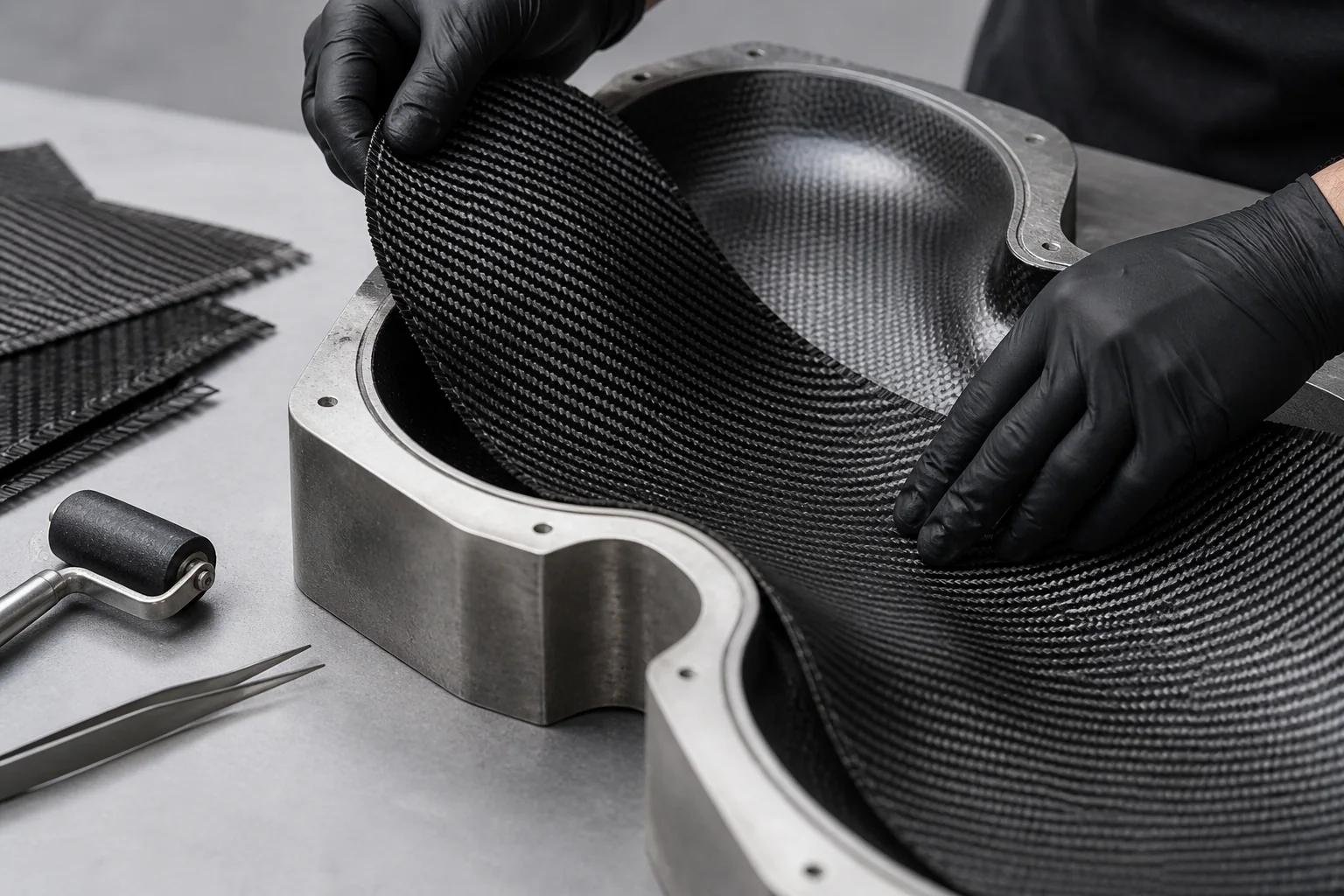
Autoclave and prepreg processes support repeatable structure and allow products to continue developing through controlled manufacturing.
Different players value carbon fiber for different reasons. The benefit is often a combination of stability, transport practicality and a clear playing response.
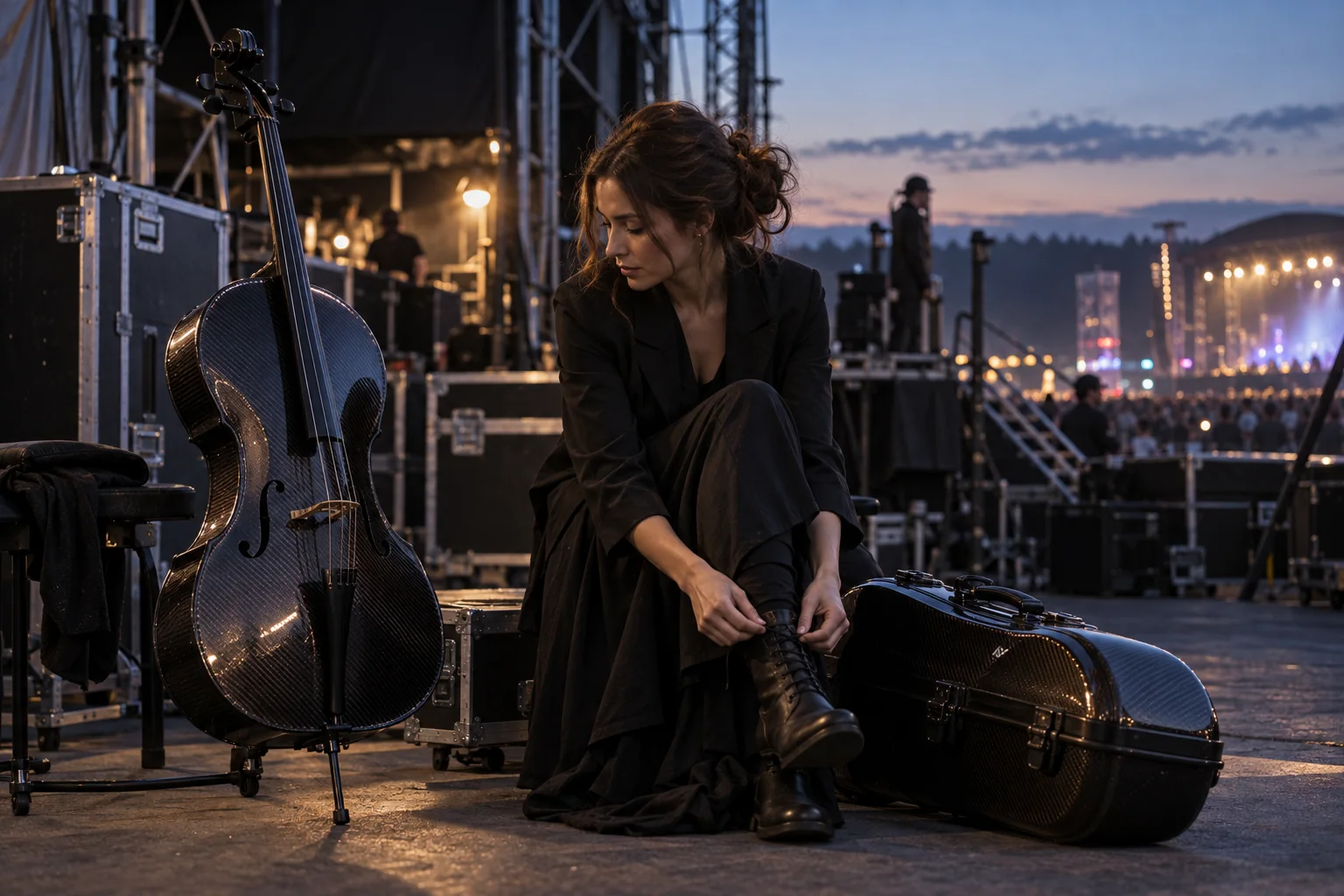
Resistance to environmental change makes carbon fiber relevant when an instrument moves between climates, venues or outdoor conditions.
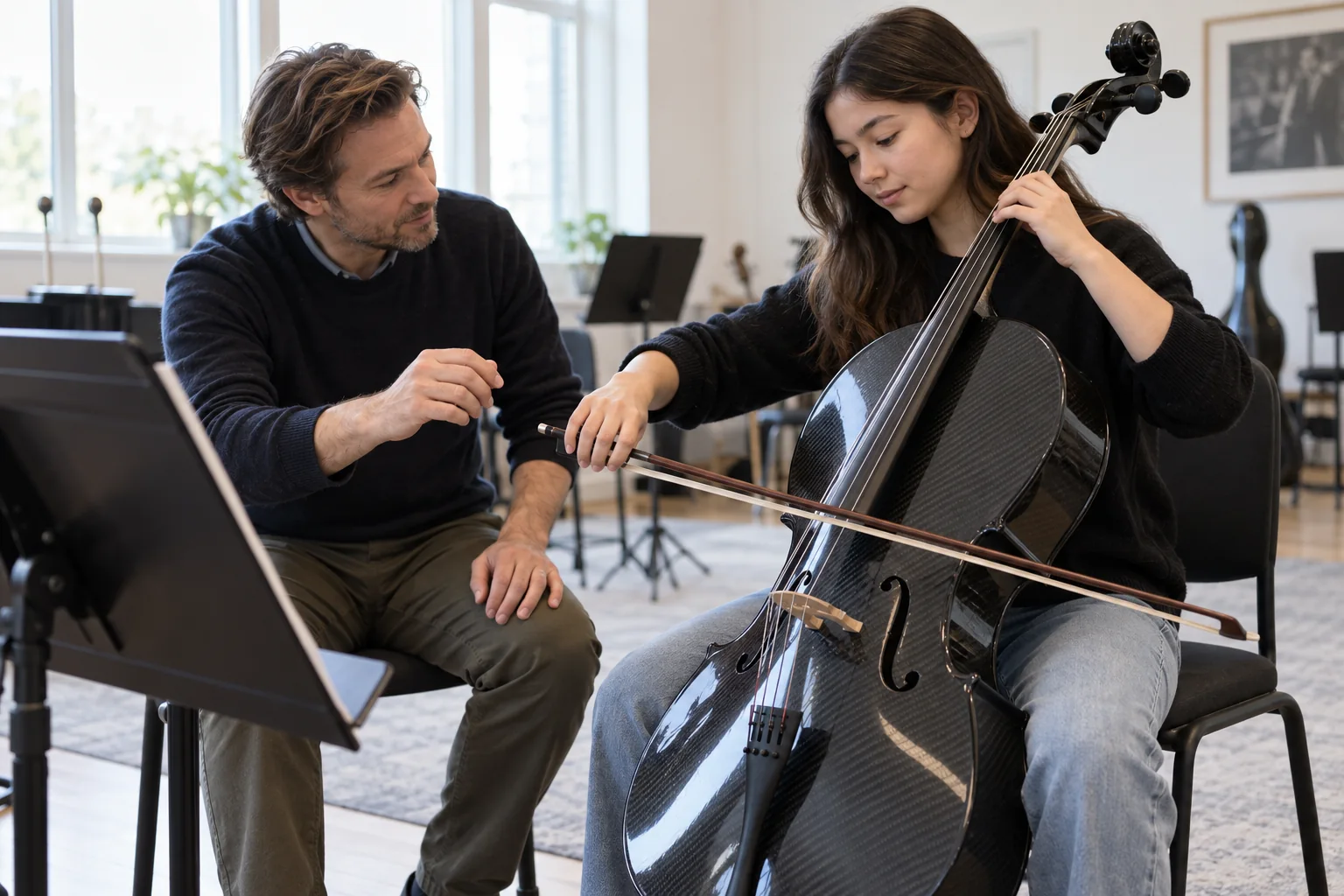
Lightweight strength and durability can be useful for regular lessons, rehearsals and repeated transport.
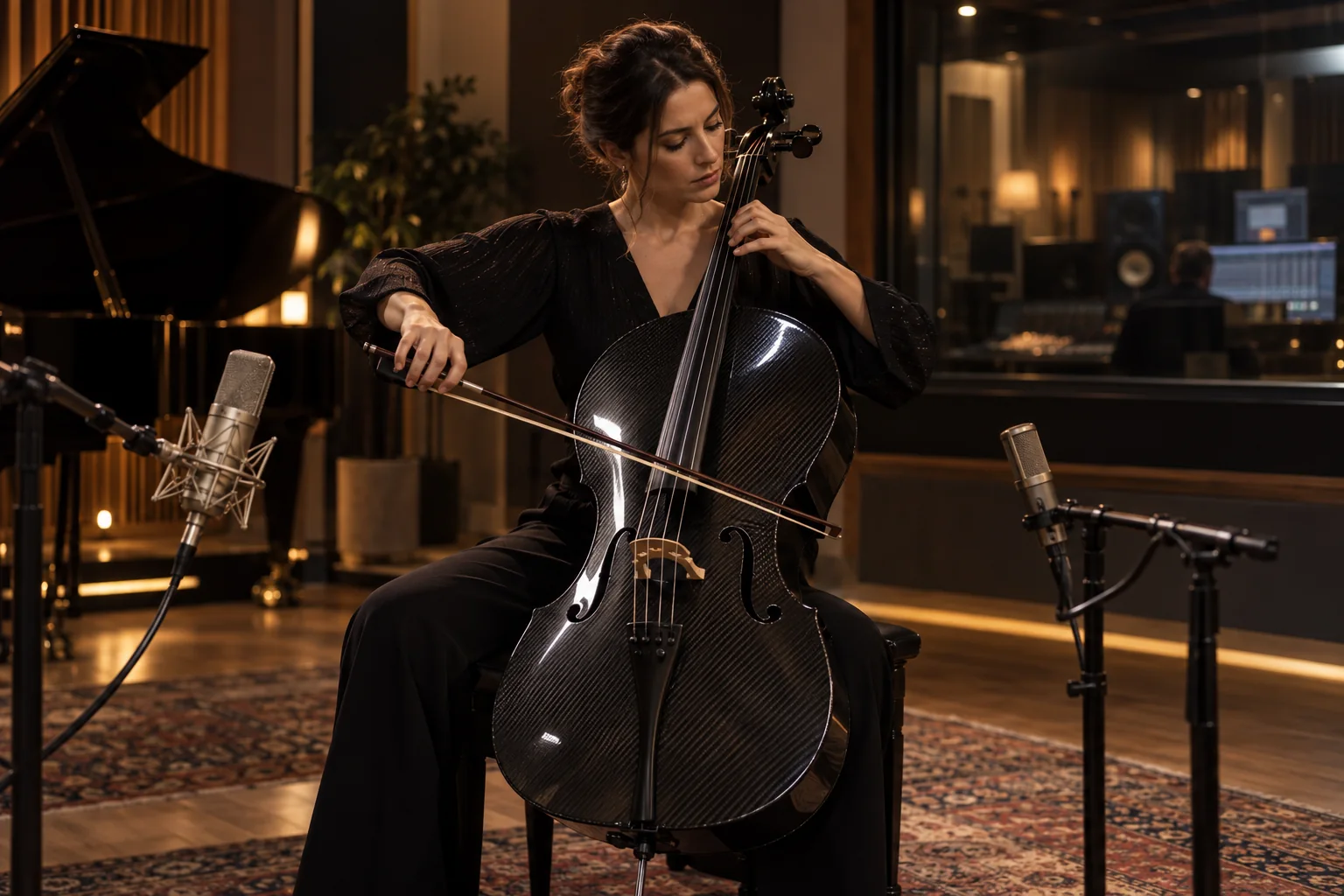
Consistent structure and acoustic calibration support repeatable preparation across rehearsals, performances and studio sessions.
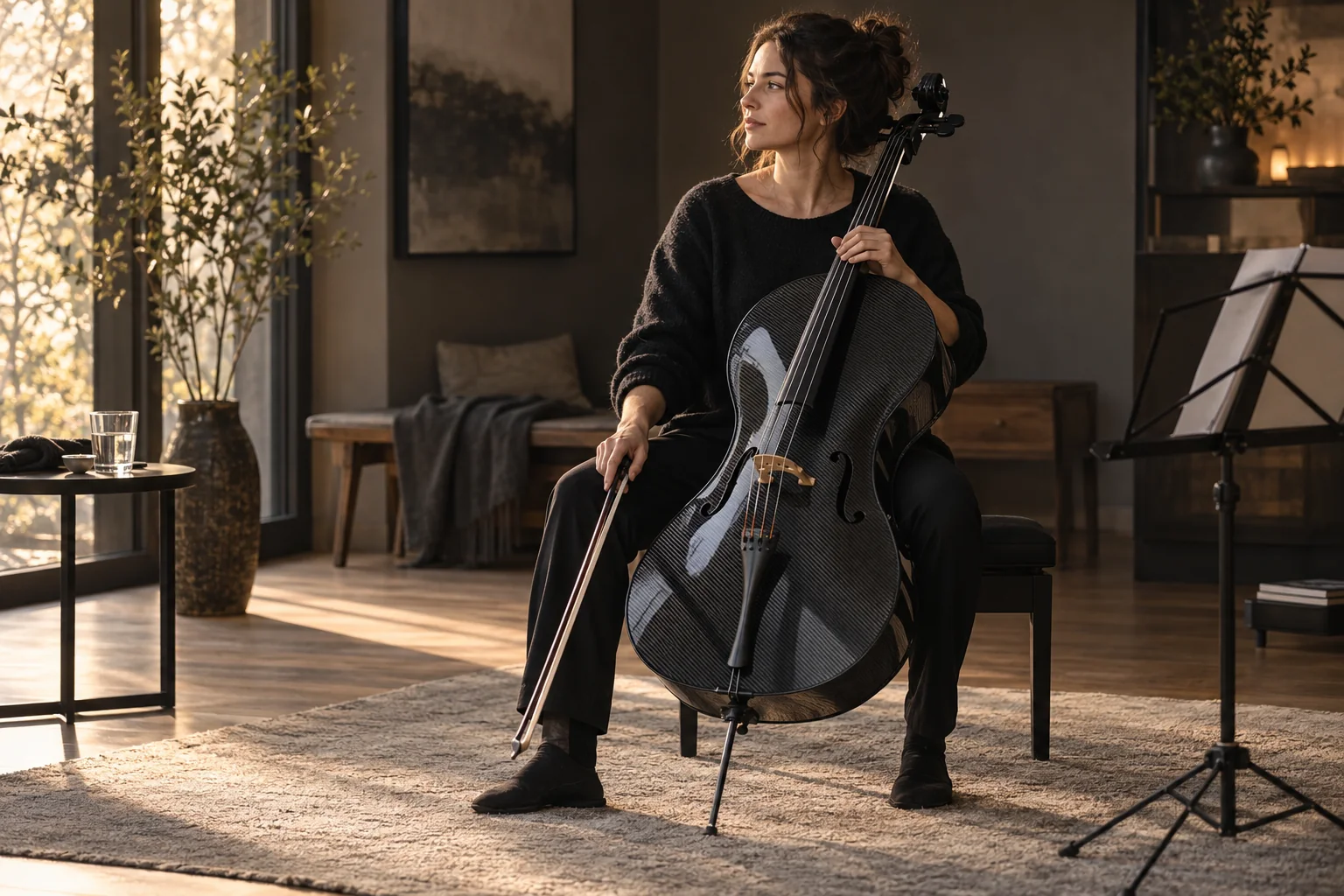
Reduced weight can make carrying and extended use more manageable, depending on the instrument and the player.
Material selection, molding, assembly, acoustic testing and voicing all contribute to the finished playing experience.
Carbon fiber provides the structural foundation. Manufacturing control and final acoustic work determine how that structure becomes a playable string instrument.
SEE THE PROCESS